
Skip to content
NGUYEN IN DOUBT
← Back to writing

June 9, 2026

The Bravest Thing I'll Do Today Is Hit Publish

Faith Over the Flinch: On why being seen feels like a threat to your life.


I have written this first sentence about forty times.
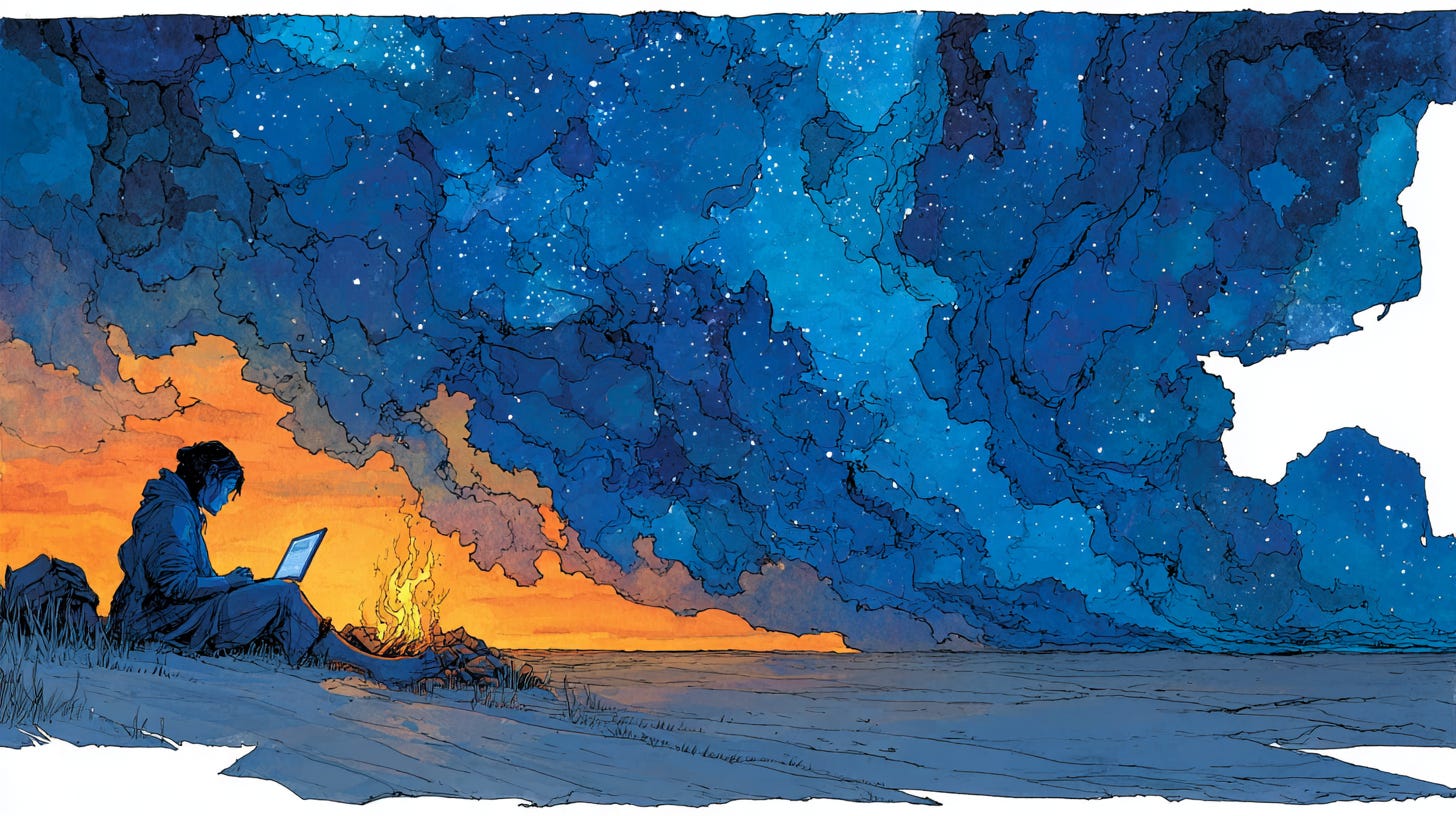
I want to type, but there’s a quieter part of my brain trying to protect me from vulnerability and judgement. I don’t blame it. It’s a primal thing, older than I am, and it has only ever meant to keep me safe. It scans for danger the way our ancestors once scanned the tall grass — except the predator it’s watching for isn’t a cheetah. It’s social rejection. And it is very, very good at its job.

Why being seen feels like a matter of survival

It’s the same brain circuitry that fires up when you ask someone out on a date, give a presentation, or receive critical feedback. It’s terrifying.

For most of my patients, it’s that first step of booking the appointment — sitting vulnerable in front of a complete stranger and hoping their story is received without a flinch.

To be accepted is a warm blanket of dopamine.

But to be rejected is a wound — the body bracing as if struck.

To my patients: thank you for entrusting me with your story, and for teaching me what that vulnerability feels like, even as I type these very words.

To dig a little deeper, our ancient and sometimes wise brains do not draw a clean line between social rejection and physical danger. For most of human history, they didn’t need to. To be cast out of your tribe was not an awkward afternoon. It was a death sentence. Alone on the savanna, you didn’t last very long.

So your nervous system did something reasonable. It learned to flinch before the danger arrived. The flinch is what we now feel as that hot, tight, please-don’t-look-at-me dread in the moments before we make ourselves known.

The wrong answer becomes a permanent thing

There’s a second layer to this, and it’s the one I think we underestimate.

It isn’t only the rejection we fear. It’s that a rejection, once it happens, becomes data. A new and permanent fact about ourselves that we now have to carry.

Before you ask, the answer exists in a kind of merciful fog. Maybe yes. Maybe no. You get to live in the world where it could still go well. The moment you ask, you collapse that fog into a single hard outcome — and if it’s the wrong one, you don’t get to un-know it. You have to integrate it into the story of who you are.

That terrifying new datapoint is the real cost we’re flinching from. Not the no itself, but having to live afterward as someone who got the no.

And yet — we are nothing without each other

I want to be honest about why this matters enough to push through the dread.

Connection isn’t a nice-to-have. It is, as far as I can tell from the inside of this profession, close to the whole ballgame for human well-being. When people study the places on Earth where humans live longest and happiest — the so-called Blue Zones, from Okinawa to Sardinia to a stretch of California — the headlines go to the diets and the olive oil. But the thread that runs through all of them, the one researchers keep returning to, is belonging. Tight social ties. A community that knows your name and expects you on Tuesday.

Belonging is the lifeblood of feeling well. I believe this clinically and I believe it personally. So every flinch your brain throws at you to keep you small and safe and unseen is, paradoxically, keeping you from the exact thing you need most.

The cruel joke of social fear is that it protects you from the medicine.

So here I am, asking

This is the part where I admit the fear hasn’t fully left, because it would be dishonest to pretend otherwise.

There is, somewhere out there, a community of people who think about minds and meaning and what it takes to live well — and I’d like to belong to it. I don’t know it yet. I haven’t met it. And the quiet fear underneath all of this is that I’ll make my bid, hit Publish, and the savanna will stay silent.

But I’m choosing faith over the flinch. I think I have something to give — as a psychiatrist, yes, but mostly as someone who is genuinely, almost helplessly fascinated by how we work and how we heal. I’d rather collapse the fog and find out than live forever in the safe, lonely maybe.

So consider this me asking you out.

If any of this landed — the fear, the fascination, the wanting-to-belong — I’d love to know I’m not writing into an empty room. Tell me in the comments about a time you made yourself ask. And if you’d like to keep thinking about minds alongside me, subscribe and stick around.

I’ll be here on Tuesday.


I’m a psychiatrist writing about mental health, connection, and the strange machinery of being a person. New here, glad you came.

Share

Leave a comment

Read & discuss on Substack →